Ellee Seymour

MCIPR, PRESS CONSULTANT, JOURNALIST, POLITICAL AND PR BLOGGER.

October 1st, 2007

£1 million inheritance tax threshold

I’ve been to a couple of parties recently where the subject of image inheritance tax has cropped up. Ageing parents are anguished at the thought of the Chancellor’s coffers reaping the rewards of their lifetime’s hard work and prudence because of the £300,000 inheritance tax threshold.

But concern over their future financial needs makes the elderly hold back from giving money away to their families, they are cautious and afraid of not being able to pay their own way. Should they have these worries, be placed in such an uncomfortable position?

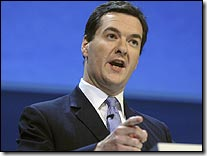
Today’s announcement by Conservatives of a £1 million threshold plan will be hugely welcomed, it’s the voice of common sense and reason, of understanding and excellent judgement.

It should also be a huge relief for the two elderly sisters who are appealing to the European Court of Human Rights to win the same inheritance tax rights as married, gay and lesbian couples. Joyce and Sybil Burden, from Wiltshire, have lived together since birth but if one of them dies the other will face a large inheritance tax bill. They fear the one left will have to sell the family home to pay it.

Hopefully, that will no longer be the case.

October 1st, 2007

The price paid by political bloggers

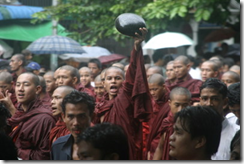
I would like to pay tribute to the brave bloggers of Burma who image image risked their liberty to keep us updated on anti-government demonstrations, being forced underground to avoid detection.

They have now been silenced by a brutal regime which switched off the internet. These brave bloggers have certainly infuriated their military rules. At first, the regime responded by blocking individual Burmese blogs, then, last Wednesday, by blocking all of them. But the overseas sites were beyond its reach, so on Friday it switched off the internet altogether. Now e-mails can be sent only within Burma; the only pages that web browsers can view are those of the official websites. The only option now would be to dial up ISPs overseas but the cost of international calls makes this prohibitive.

These fearless bloggers, who documented the spectacular growth of the demonstrations from crowds of a few hundred to as many as 100,000, have been forced underground, sleeping in a different place every night, watching and waiting to see if the democracy movement has been truly crushed or is simply on hold.

It seems appropriate to remember other political bloggers who have suffered the political repression of cyber dissidents.

These include Egyptian Karim Alem, jailed for four years for writing blogs criticising Egypt’s al-Azhar religious authorities, President Husni Mubarak and Islam. Charges against him included "spreading information disruptive of public order and damaging to the country’s reputation", "incitement to hate Islam" and "defaming the President of the Republic".

Iranian Mojtaba Saminejad was accused of insulting his country’s Supreme Leader and was sentenced to two years and ten months’ imprisonment. According to his supporters, the reason for Saminejad’s arrest was the publication on his blog of the arrests of three other bloggers. Saminejad was allegedly held in solitary confinement for 88 days and subjected to beatings and torture Finally, after 21 months, in September 2006, he was released from prison.

A fellow Iranian, Mohamad Reza Nasab Abdolahi, was jailed for six months for publishing an open letter to Ayatollah Ali Khamenei on his blog, Webnegar. Another Iranian Mojtaba Lotfi was also jailed for his outspoken online reports.

Let’s remember the risks these bloggers take in the name of democracy. I hope they realise the impact their news and pictures have had around the world, that their messages got through.

Update 2 October: We can all do our bit to support the Burmese bloggers. The erudite Tom Paine has invited me - and everyone else is welcome - to join the Support Burma - International Bloggers’ Day on Facebook.

|