
 I have just heard on the
  radio that Labour is appointing key staff for campaigning logistics and media relations – to start next Monday – gearing up for an autumn general election.
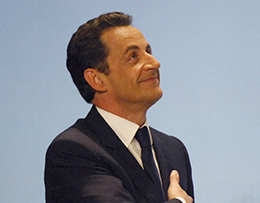
Whatever the outcome, I am disappointed that we did not use this last year to further develop political campaiging on the internet, especially as our political parties have been following the impact this has had in America and France, where Sarkozy’s internet television had 12 million viewers during the presidential campaign, largely fought out in blogosphere.
Prospective candidates here are left to their own devices to set up their own blogs, and many have done a great job. But I would have liked to have seen training and support made available, especially for using visual social media tools, like video blogs.
This report highlights why internet campaigng can be so vital in a marginal seat:
In this year’s local elections, South Norfolk Conservatives made a two-minute commercial outlining their manifesto and showcasing some of their candidates (tinyurl.com/2robr3). They won by a landslide. However, Eastbourne Conservatives made a slightly glitzier version (tinyurl.com/2skhn4 ) and were defeated. Neither of these videos were viewed by enough people to have affected the outcome one way or another, but in a few marginal seats, this sort of campaigning could make the difference between winning and losing.
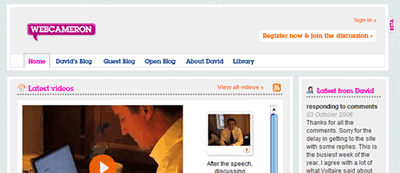
Here are some top interactive American political websites for you to compare against their British counterparts: Hillary Clinton, Mitt Romney and Barack Obama and Gordon Brown, David Cameron and Ming Campbell. It seems that our British counterparts are flirting with the social media, dipping their toes in, rather than fully taking the plunge.
Yes, an opportunity missed.